The exotic pet trade is a booming industry, with many people unaware of the dangers of exotic pet ownership, including the risks of animal suffering, environmental degradation, and the support of inhumane industries. As we delve into the world of exotic pet ownership, it becomes clear that the consequences of this trend are far-reaching and devastating. The exotic pet trade is often linked to animal cruelty and neglect, highlighting the need for animal rights legislation to protect these animals. With the rise of cruelty-free living and sustainable practices, it’s essential to examine the impact of exotic pet ownership on animal welfare and the environment.
The Reality of Exotic Pet Suffering
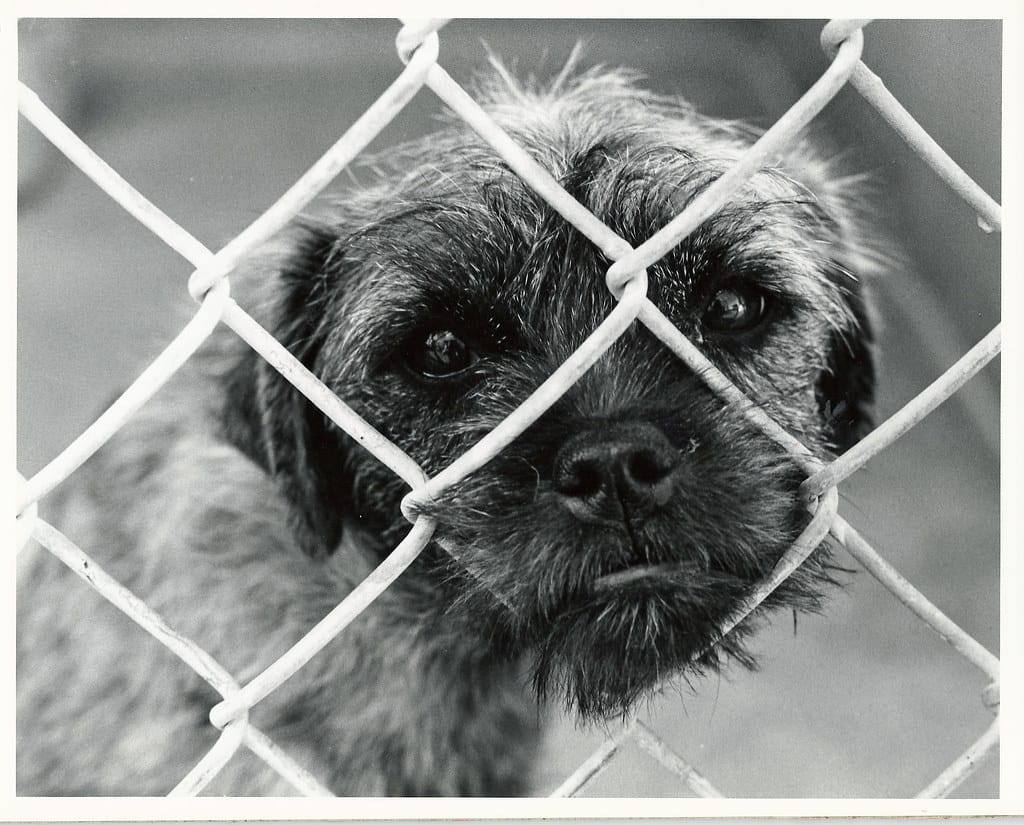
The exotic pet trade is often marred by animal cruelty and neglect, with many animals being taken from their natural habitats and subjected to inhumane treatment. This raises important questions about our responsibility to protect these animals and the need for animal rights legislation to prevent cruelty and abuse. The exotic pet trade is a complex issue, with many factors contributing to the suffering of these animals. From the sourcing and selling of exotic pets to the unique health challenges faced by these animals in captivity, it’s essential to understand the dangers of exotic pet ownership and the need for cruelty-free living.
The Dark Side of the Exotic Pet Trade
The exotic pet trade is often shrouded in secrecy, with many animals being sourced from the wild and sold to unsuspecting owners. This can lead to a range of problems, including animal suffering, disease transmission, and the support of inhumane industries. The dangers of exotic pet ownership are real and far-reaching, highlighting the need for education and awareness about the exotic pet trade and its consequences. By understanding the factory farming facts and the impact of the exotic pet trade on animal welfare, we can make informed choices and support cruelty-free living.
Common Health Problems in Exotic Pets
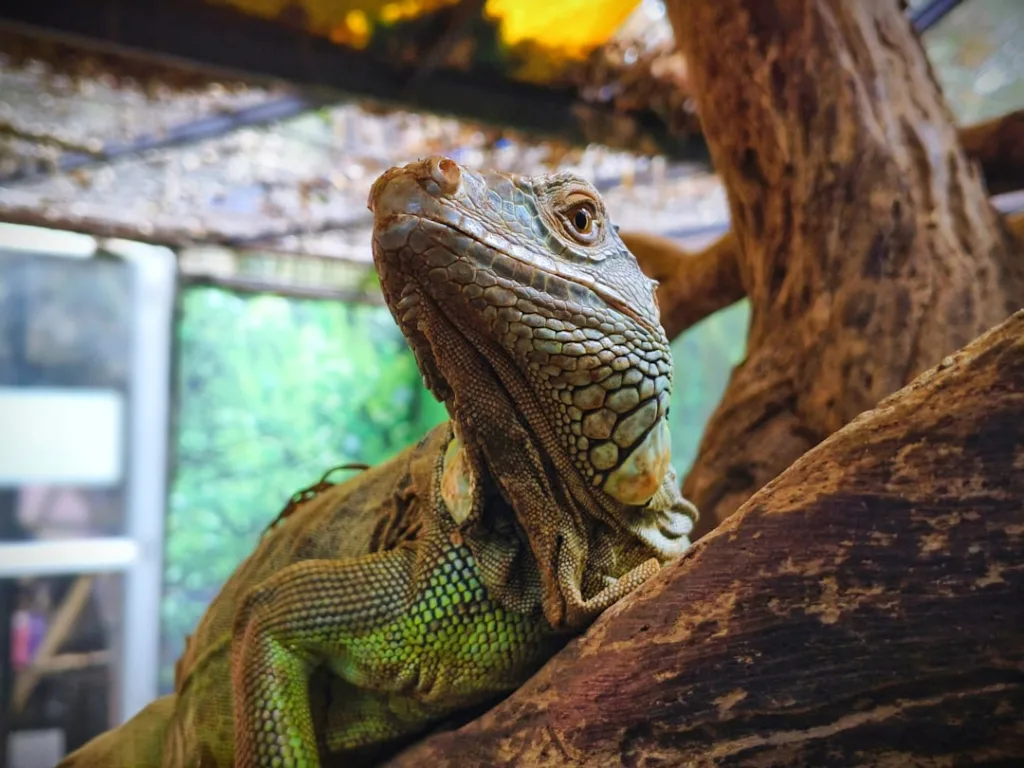
Exotic animals in captivity often face unique health challenges, from nutritional deficiencies to behavioral problems. These health issues can be devastating for the animals, highlighting the need for specialized care and attention. However, many owners are unaware of the dangers of exotic pet ownership and the health risks associated with these animals. By providing education and resources, we can help owners make informed choices and provide the best possible care for their exotic pets, promoting animal welfare and cruelty-free living.
Understanding Animal Rights and Welfare
Exotic pet ownership raises important questions about animal welfare and our responsibility to protect these animals. The dangers of exotic pet ownership are closely tied to the need for animal rights legislation and the protection of these animals from cruelty and abuse. By understanding the role of animal rights legislation in preventing cruelty and abuse, we can work towards a more compassionate and sustainable future for all animals. Additionally, knowing how to report animal abuse is crucial in preventing further suffering and promoting animal welfare.
The Importance of Animal Rights Legislation
Animal rights legislation plays a crucial role in protecting exotic animals from cruelty and abuse. By establishing clear guidelines and regulations, we can ensure that these animals are treated with respect and dignity. The dangers of exotic pet ownership are real and far-reaching, highlighting the need for education and awareness about the exotic pet trade and its consequences. By supporting animal rights legislation and promoting cruelty-free living, we can make a positive impact on the lives of these animals and the environment.
How to Report Animal Abuse
If you suspect animal abuse or neglect, it’s essential to know how to report animal abuse and take action. There are many resources available, from local animal welfare organizations to national hotlines. By reporting suspected animal cruelty, we can help prevent further suffering and promote animal welfare. The dangers of exotic pet ownership are closely tied to the need for education and awareness, highlighting the importance of animal rights legislation and cruelty-free living.
The Environmental Impact of Exotic Pet Ownership
The exotic pet trade can have devastating environmental consequences, from habitat destruction to the spread of invasive species. The dangers of exotic pet ownership are not limited to animal welfare, but also extend to the environment and ecosystems. By understanding the environmental consequences of the exotic pet trade, we can make informed choices and support cruelty-free living and sustainable practices. Additionally, examining factory farming facts can help us better understand the intersection of exotic pet ownership and factory farming, and the need for more humane and sustainable practices.
The Environmental Consequences of the Exotic Pet Trade
The exotic pet trade can have a significant impact on ecosystems and biodiversity, highlighting the need for cruelty-free living and sustainable practices. The dangers of exotic pet ownership are closely tied to the environmental consequences of the trade, from habitat destruction to the spread of invasive species. By understanding the environmental consequences of the exotic pet trade, we can work towards a more sustainable future for all animals and the environment.
Factory Farming Facts
The exotic pet trade is often linked to factory farming facts, with many animals being sourced from large-scale farming operations. This can lead to a range of problems, including animal suffering, disease transmission, and environmental degradation. By understanding the factory farming facts and the impact of the exotic pet trade on animal welfare and the environment, we can make informed choices and support cruelty-free living and sustainable practices.
Animal Rescue and Rehabilitation Efforts
Many organizations are working to rescue and rehabilitate exotic animals, providing a safe haven for these animals and raising awareness about the dangers of exotic pet ownership. These organizations play a crucial role in promoting animal welfare and cruelty-free living, highlighting the need for education and awareness about the exotic pet trade and its consequences. By supporting animal rescue efforts, we can help make a positive impact on the lives of these animals and the environment.
Inspiring Animal Rescue Stories
There are many inspiring animal rescue stories that highlight the importance of animal welfare and cruelty-free living. These stories demonstrate the impact that rescue and rehabilitation efforts can have on the lives of exotic animals, promoting animal welfare and cruelty-free living. By sharing these stories, we can raise awareness about the dangers of exotic pet ownership and the need for education and action.
Supporting Animal Rescue Efforts
There are many ways to support animal rescue efforts and promote animal welfare and cruelty-free living. From donating to local organizations to volunteering your time, every effort counts. By supporting animal rescue efforts, we can help make a positive impact on the lives of exotic animals and the environment, highlighting the importance of animal rights legislation and cruelty-free living.
Conclusion and Call to Action
The dangers of exotic pet ownership are real and far-reaching, from animal suffering to environmental degradation. As we’ve explored the complex issues surrounding the exotic pet trade, it’s clear that education and awareness are key to preventing cruelty and abuse. By understanding the dangers of exotic pet ownership and the need for animal rights legislation, cruelty-free living, and sustainable practices, we can make informed choices and support animal welfare efforts. So, what can you do to help? Start by educating yourself and others about the dangers of exotic pet ownership and the importance of animal rights legislation and cruelty-free living. Support animal rescue efforts and organizations working to protect exotic animals. Together, we can create a more compassionate and sustainable future for all animals and the environment. Take action today and join the movement towards cruelty-free living and animal welfare!