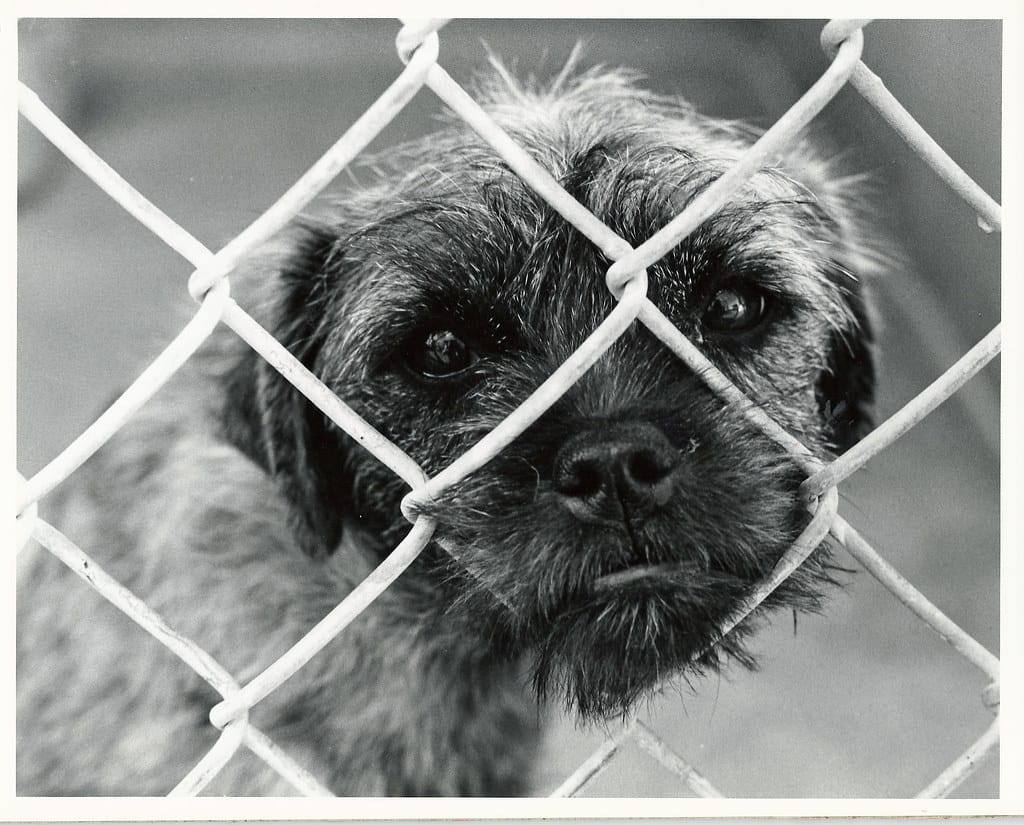

Animal hoarding is a complex and disturbing issue that affects thousands of animals worldwide, with animal hoarding facts and statistics revealing a shocking reality that many people are unaware of. Behind closed doors, animal hoarders accumulate large numbers of animals, often in unsanitary and inhumane conditions, leading to devastating consequences for both the animals and humans involved. As we delve into the world of animal hoarding, it becomes clear that this issue is not only a matter of animal welfare but also a reflection of our society’s values and priorities. By understanding the complexities of animal hoarding, we can work towards creating a more compassionate world for all living beings.
What is Animal Hoarding and Its Impact on Animal Welfare
Defining Animal Hoarding and Its Characteristics
Animal hoarding is defined as the accumulation of large numbers of animals, often in unsanitary and inhumane conditions, without the ability to provide adequate care and resources. This behavior is often characterized by a lack of regard for the animals’ welfare, as well as a lack of awareness of the harm caused to both humans and animals. Animal rights legislation plays a crucial role in addressing this issue, but more needs to be done to prevent animal hoarding and promote cruelty-free living.
The Devastating Consequences of Animal Hoarding on Animals and Humans
The consequences of animal hoarding are far-reaching and devastating, with animals often suffering from malnutrition, disease, and neglect. Humans, including family members and neighbors, may also be affected by the unsanitary conditions and potential health risks associated with animal hoarding. Moreover, animal hoarding can have a significant impact on factory farming facts and the agricultural industry as a whole, highlighting the need for animal rescue stories and advocacy efforts to bring about change.
Animal Hoarding Facts and Statistics: A Closer Look
Prevalence of Animal Hoarding Cases and Demographics
According to animal hoarding facts and statistics, it is estimated that over 250,000 animals are affected by hoarding each year in the United States alone. Animal hoarding cases can be found in both urban and rural areas, and affect people from all walks of life, regardless of socioeconomic status or education level. By examining these statistics, we can better understand the scope of the problem and work towards developing effective solutions to prevent animal hoarding.
Common Types of Animals Involved in Hoarding Cases and Their Plight
Dogs, cats, and horses are the most common animals involved in hoarding cases, with many animals being subjected to inhumane conditions, such as overcrowding, poor sanitation, and lack of veterinary care. How to report animal abuse is a crucial aspect of addressing this issue, and individuals can play a vital role in helping to prevent animal hoarding by reporting suspicious activity and supporting animal rescue stories and advocacy efforts.
The Psychology Behind Animal Hoarding: Understanding the Mindset
The Role of Mental Health and Trauma in Animal Hoarding
Animal hoarding is often linked to mental health issues, such as obsessive-compulsive disorder, depression, and trauma. Individuals who engage in animal hoarding may use animals as a way to cope with emotional pain or to fill a void in their lives. By understanding the psychological factors that contribute to animal hoarding, we can develop more effective strategies for prevention and treatment, and promote cruelty-free living and animal welfare.
How Animal Hoarding Differs from Animal Rescue and Animal Love
While animal hoarding may be motivated by a desire to help or rescue animals, it is distinct from legitimate animal rescue efforts. Animal hoarding is characterized by a lack of regard for the animals’ welfare and a failure to provide adequate care and resources. In contrast, animal rescue and animal love involve a genuine concern for the animals’ well-being and a commitment to providing proper care and attention, highlighting the importance of animal rights legislation and factory farming facts in promoting animal welfare.
The Connection Between Animal Hoarding and Animal Rights Legislation
Current Laws and Regulations Regarding Animal Hoarding
Laws and regulations regarding animal hoarding vary by country and state, with some jurisdictions having specific laws and penalties in place to address animal hoarding. However, more needs to be done to prevent animal hoarding and protect animal welfare, including strengthening animal rights legislation and promoting cruelty-free living. By supporting animal rescue stories and advocacy efforts, individuals can help bring about change and promote a more compassionate world for all living beings.
Proposed Reforms and Advocacy Efforts to Prevent Animal Hoarding
Advocates are working to strengthen laws and regulations regarding animal hoarding, as well as to provide support and resources for individuals affected by animal hoarding. By promoting education and awareness about animal hoarding, we can work towards preventing this issue and promoting a culture of compassion and respect for animal welfare, including factory farming facts and animal welfare.
How to Report Animal Abuse and Support Animal Rescue Efforts
Recognizing the Signs of Animal Hoarding and Reporting Procedures
If you suspect animal hoarding, it is essential to report it to the relevant authorities, such as animal control or law enforcement. Signs of animal hoarding may include large numbers of animals, unsanitary conditions, and a lack of regard for the animals’ welfare. By reporting animal abuse and supporting animal rescue stories, individuals can help prevent animal hoarding and promote cruelty-free living and animal welfare.
The Importance of Collaboration Between Authorities and Animal Welfare Organizations
Collaboration between authorities and animal welfare organizations is critical in addressing animal hoarding and providing support and resources for affected animals and individuals. By working together, we can develop effective strategies for preventing animal hoarding and promoting animal welfare, including animal rights legislation and factory farming facts.
Breaking the Cycle of Animal Cruelty: Promoting Cruelty-Free Living and Factory Farming Reform
The Impact of Factory Farming on Animal Welfare and the Environment
Factory farming is a significant contributor to animal suffering and environmental degradation, with millions of animals being raised in inhumane conditions each year. By promoting cruelty-free living and supporting animal-friendly industries, we can help reduce the demand for factory-farmed products and promote a more sustainable and compassionate food system, including animal welfare and factory farming facts.
Embracing Cruelty-Free Living and Supporting Animal-Friendly Industries
By making conscious choices in our daily lives, such as choosing cruelty-free products and supporting animal-friendly industries, we can help promote a culture of compassion and respect for animal welfare. Additionally, supporting animal rescue stories and advocacy efforts can help bring about change and promote a more compassionate world for all living beings, including animal rights legislation and factory farming facts.
In conclusion, animal hoarding is a complex and disturbing issue that requires a comprehensive approach to address. By understanding animal hoarding facts and statistics, we can work towards preventing this issue and promoting a culture of compassion and respect for animal welfare. We urge you to join the movement towards a more compassionate world by supporting animal rescue stories, advocating for animal rights legislation, and promoting cruelty-free living. Together, we can make a difference and create a world where all animals are treated with dignity and respect, including factory farming facts and animal welfare. Take action today and report any suspected cases of animal hoarding to the relevant authorities, and support organizations working to prevent animal cruelty and promote animal welfare.